
Mastering Alkalinity: Key to Thriving Corals and a Balanced Aquarium
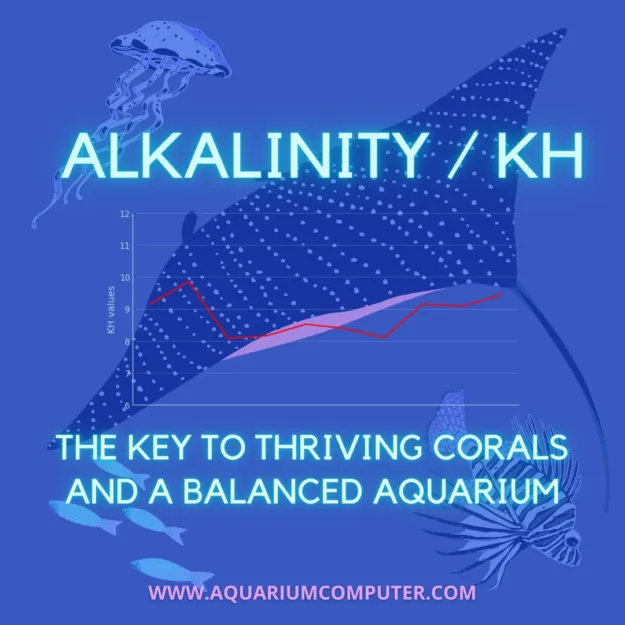
Alkalinity: Essential for Coral Health and Aquarium Stability In aquarium keeping, water chemistry plays a vital role in the health and stability of your aquatic environment. One key component is alkalinity, or carbonate hardness (KH), which refers to the water’s buffering capacity—its ability to resist changes in pH. This stability is especially important in both freshwater and marine tanks, as sudden pH shifts can harm fish, plants, and corals, which thrive in consistent conditions. Ideal KH levels vary based on aquarium type: for reef aquariums, KH should range between 7 and 11 dKH, with 8-9 dKH often recommended, while freshwater tanks do best around 4-8 dKH, with species-specific needs such as lower KH for Amazonian fish (1-4 dKH) and higher KH for livebearers (4-8 dKH). While alkalinity and KH are often used interchangeably, they aren’t exactly the same. For a deeper understanding, check the explanation at the end of this…