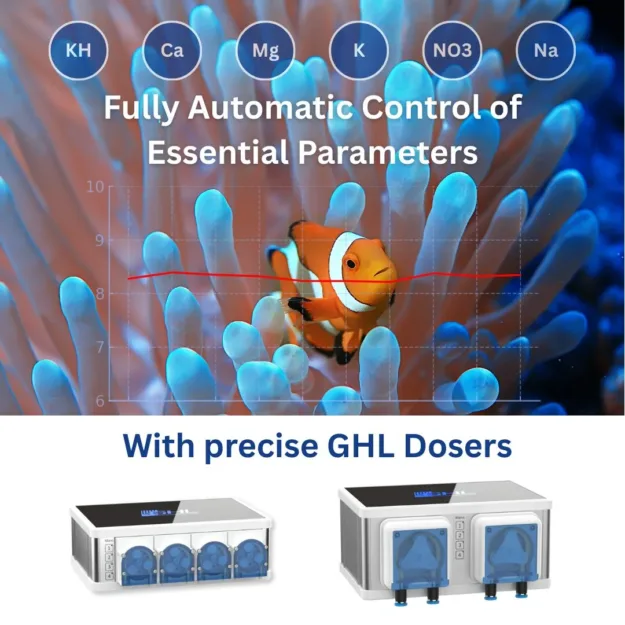
GHL Dosers Enable Fully Automatic, Measurement-Based Dosage Adjustments for Stable Aquarium Conditions

GHL Dosers offer fully automated, measurement-based dosage adjustments to maintain stable aquarium conditions. Utilizing data from GHL’s Director devices, these dosers can automatically modify dosages, ensuring optimal stability. The system supports various control modes and precise settings, with connectivity options including WiFi for standalone units, enhancing user convenience and system integration.

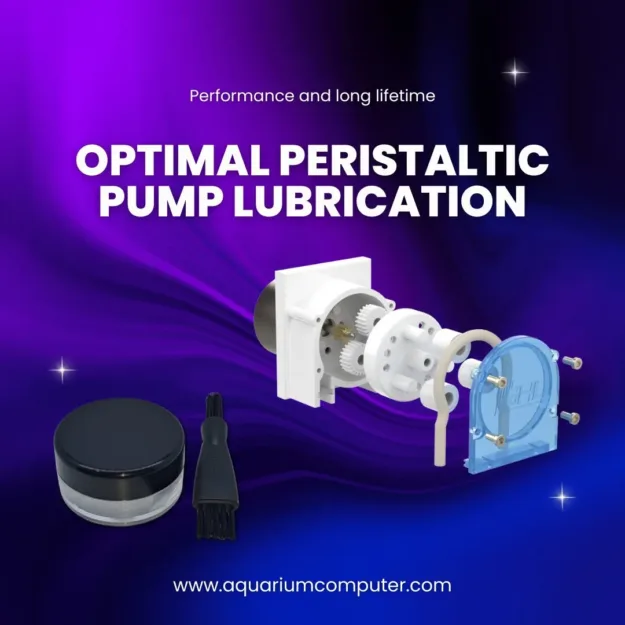
Optimal Lubrication of Peristaltic Pumps

The GHL Doser 3 Peristaltic Pump, featuring a planetary gear, is designed for precise dosing and fluid handling. It operates by pressing a flexible tube with rotating rollers, ensuring smooth liquid movement. For optimal performance and longevity, lubrication of moving parts is essential, with a high-performance silicone paste recommended for its balanced viscosity and food-safe properties.

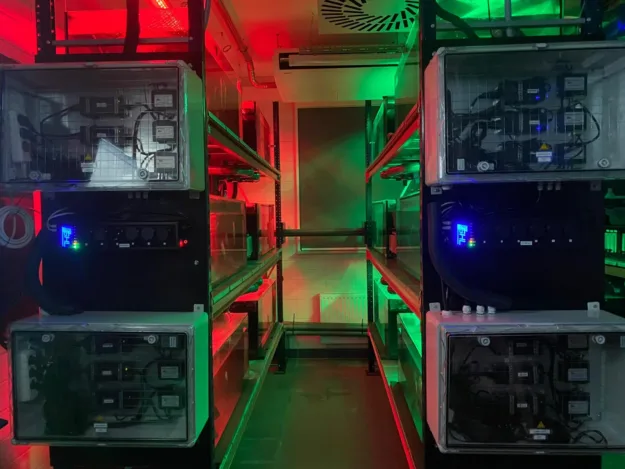
GHL technology supports sustainable fish farming at the University of Rostock

The GHL lighting and control system, featuring the ProfiLux controller and LEDControl4 modules, enables precise simulation of various light spectra and brightness levels for aquaculture research. This technology supports the University of Rostock’s efforts to optimize rearing conditions for African catfish, enhancing fish welfare and aquaculture efficiency. The ION Director and KH Director further monitor critical water parameters.

NO CONNECTION – When Cloud-Only Systems Leave You in the Dark

GHL offers a hybrid aquarium control system that combines cloud convenience with robust local management. Users can access their systems remotely via the myGHL cloud and GHL Connect app, while maintaining full offline functionality through local network and direct USB connections. This ensures continuous operation and control, even if internet or cloud services fail, safeguarding your aquarium setup.

How Automation Reduces Stress – For You and Your Aquarium

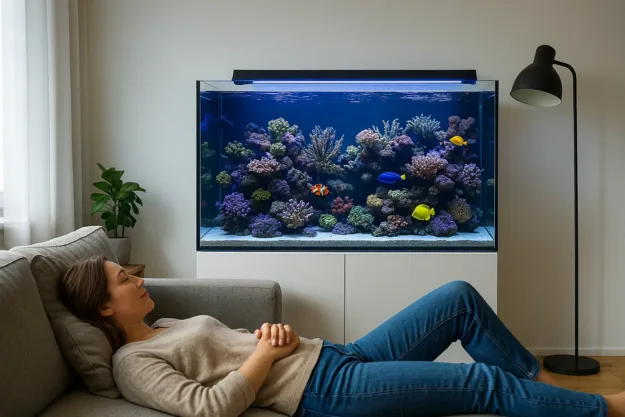
Discover how GHL technology makes aquarium care smarter, safer, and more consistent. Managing a thriving aquarium is a rewarding challenge. From dosing and water changes to maintaining stable conditions and ideal lighting – there’s always something to monitor. But the more you automate, the less stress you have to carry. Both for yourself and for your aquatic life. At GHL, we design tools that work together as a complete system – including our ProfiLux aquarium controller, dosing units, sensors, and high-performance lighting – all connected and customizable to suit your setup. Whether you’re caring for a reef, a planted aquarium, or a professional installation, GHL automation gives you reliability, precision, and peace of mind. Automate Water Changes with Confidence Regular water changes are vital – but they’re also time-consuming and easy to postpone. Using the ProfiLux controller in combination with GHL level sensors, you can automate water changes based on…

ProfiLux in Large-Scale and Research Applications

How ProfiLux is Used in Large-Scale and Research Applications Advanced Monitoring and Control for Public Aquariums, Aquaculture, and Scientific Research Managing water quality is essential in public aquariums, aquaculture facilities, and scientific research, where stability, precision, and automation are critical. In these applications, even slight fluctuations in water chemistry, oxygen levels, or temperature can have significant consequences. GHL’s ProfiLux Industrial Line (IL) and standard ProfiLux 4, combined with KH Director® and ION Director®, provide comprehensive automation and monitoring of all crucial parameters: pH and KH (carbonate hardness) – Ensures buffer stability and pH consistency. Temperature – Prevents thermal stress and seasonal instability. Salinity and Sodium (Na) – Maintains proper osmotic balance for marine species. ORP (Oxidation-Reduction Potential) – Tracks water quality and organic waste breakdown. Dissolved Oxygen (Oâ‚‚) – Is essential for aquarium inhabitants. Calcium (Ca) and Magnesium (Mg) – Essential for coral growth, shell formation, and metabolic stability. Potassium…

Mitras LX: Operating Modes and Integration

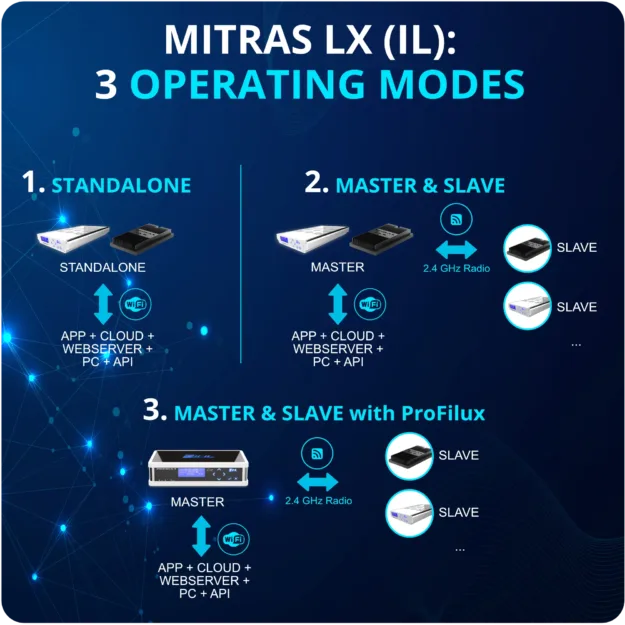
Mitras LX – exceptional control, flexibility, and performance The Mitras LX7 and Mitras LX7 IL series by GHL represent cutting-edge LED lighting solutions designed for aquarists who demand exceptional control, flexibility, and performance. These fixtures offer three distinct operating modes to adapt to a wide range of setups and preferences: Standalone, Master-Slave, and ProfiLux-Slave modes. Additionally, the system integrates seamlessly with advanced technologies, making it ideal for both hobbyists and professionals. Operation Modes Standalone Mode In Standalone mode, each Mitras LX7 operates independently, utilizing its integrated control system. Users can program and manage lighting schedules, intensity, and spectral outputs directly on the fixture without the need for external controllers. This mode is ideal for aquarists who prefer a straightforward setup or operate a single light fixture. Master-Slave Mode For setups with multiple Mitras LX7 units, the Master-Slave configuration allows synchronized operation. In this mode, one fixture acts as the Master,…

Mastering Alkalinity: Key to Thriving Corals and a Balanced Aquarium

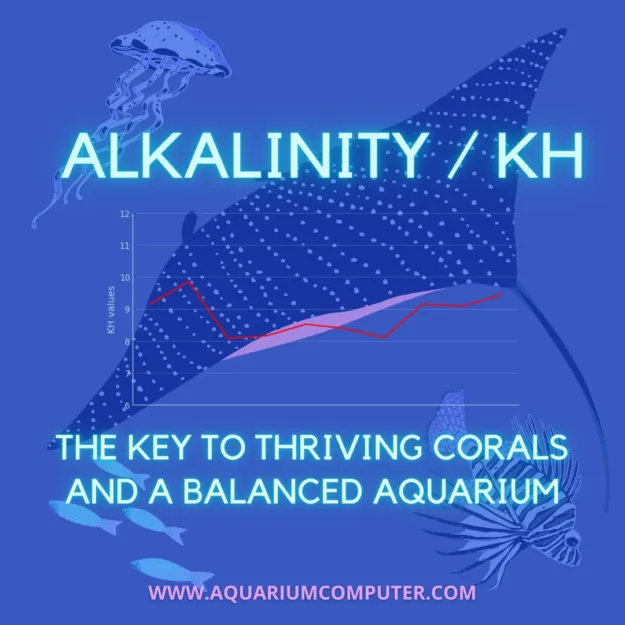
Alkalinity: Essential for Coral Health and Aquarium Stability In aquarium keeping, water chemistry plays a vital role in the health and stability of your aquatic environment. One key component is alkalinity, or carbonate hardness (KH), which refers to the water’s buffering capacity—its ability to resist changes in pH. This stability is especially important in both freshwater and marine tanks, as sudden pH shifts can harm fish, plants, and corals, which thrive in consistent conditions. Ideal KH levels vary based on aquarium type: for reef aquariums, KH should range between 7 and 11 dKH, with 8-9 dKH often recommended, while freshwater tanks do best around 4-8 dKH, with species-specific needs such as lower KH for Amazonian fish (1-4 dKH) and higher KH for livebearers (4-8 dKH). While alkalinity and KH are often used interchangeably, they aren’t exactly the same. For a deeper understanding, check the explanation at the end of this…

The Science Behind Coral Fluorescence: Understanding the “Wide-Band-Blue”

Fluorescent Proteins and the Ideal Spectrum for Vibrant Coral Colors Have you ever wondered why corals glow with such vibrant, otherworldly colors under aquarium lights? The secret lies in coral fluorescence, a fascinating process that involves special proteins that absorb and re-emit light in stunning hues. Whether you’re a hobbyist, coral breeder, or professional, understanding how this phenomenon works is key to maintaining vibrant, healthy corals in your system. Coral fluorescence is driven by proteins such as blue fluorescent proteins (BFPs), cyan fluorescent proteins (CFPs), green fluorescent proteins (GFPs), and red fluorescent proteins (RFPs). These proteins absorb specific light wavelengths and re-emit light at longer wavelengths, giving corals their striking colors. Each protein is excited by different wavelengths of light, which is why lighting plays a critical role in bringing out the full spectrum of coral fluorescence. For example, BFPs and CFPs require UV light in the range of 400–420…

The Benefits of Automatic Fish Feeders for Aquariums

Simplifying fish care while promoting a healthy aquarium environment Keeping an aquarium comes with the responsibility of maintaining a consistent feeding schedule, which can be difficult for busy aquarists or frequent travelers. Automatic fish feeders provide a convenient solution that ensures fish are fed regularly, promoting their health and stabilizing the aquarium environment. But what are the benefits of an automatic fish feeder? Consistent Feeding for Healthy Fish Automatic fish feeders offer precise, regular feeding schedules that reduce fish stress and prevent health issues caused by overfeeding or underfeeding. Overfeeding leads to waste accumulation, harming water quality and promoting algae growth, while underfeeding can lead to malnutrition. By delivering the right portions at consistent times, automatic feeders help maintain a balanced, healthy aquarium. Maintaining Water Quality Overfeeding can lead to decaying food in the water, which destabilizes water parameters and promotes algae. Automatic feeders prevent this by dispensing controlled portions,…